
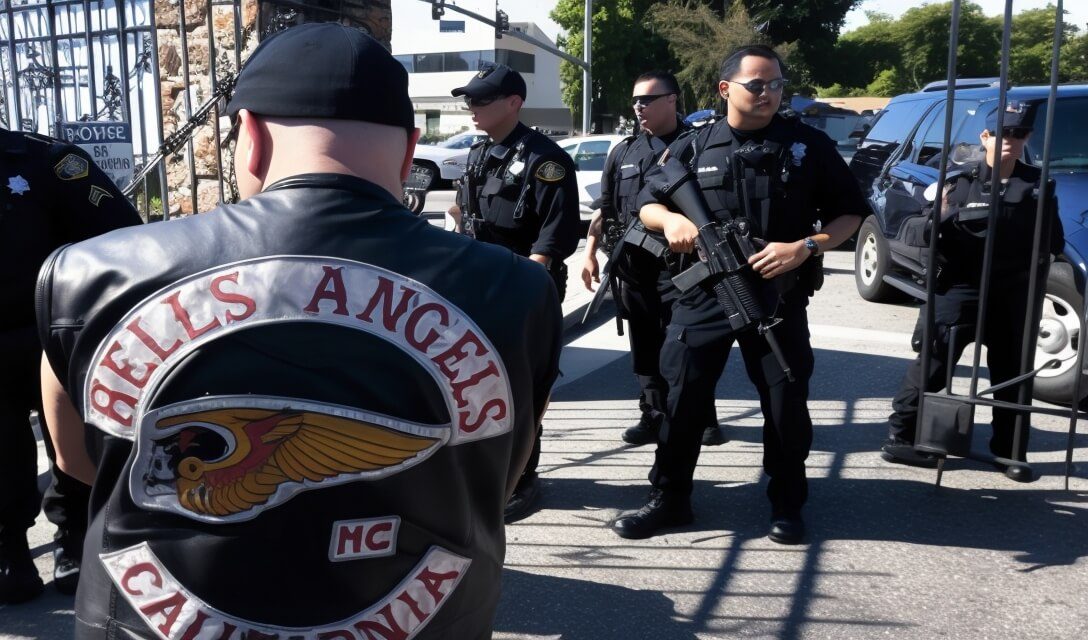
As a biker, wearing patches is a way of showing off one’s personality and belonging to a particular group. However, not all patches are created equal, and some can be downright dangerous to wear. That’s why it’s crucial to know which motorcycle patches to avoid, especially if you’re a new rider.
Avoiding controversial motorcycle patches is important because it can lead to serious consequences, both on and off the road. Wearing a banned biker patch can make you a target for rival clubs, who might mistake you for a member of a rival group. This can lead to violent confrontations, which is the last thing any biker wants to be involved in.
Moreover, wearing offensive biker patches can also get you in trouble with the law. Some motorcycle club patches to avoid have been outlawed by the government, and wearing them can result in fines or even imprisonment. This is especially true if the patch is associated with a criminal organization, as it could make you a suspect in any crimes committed by that group.
To avoid these potential risks, it’s important to know how to spot outlaw biker patches. Some patches might seem harmless at first glance, but a closer look can reveal their true meaning. For example, a patch with a skull and crossbones might seem like a cool design, but it can also be a symbol of death and violence.
In the following sections, we’ll delve into the different types of motorcycle patches to avoid, and provide practical advice on how to stay safe and avoid controversy on the road. So buckle up, grab your helmet, and let’s hit the road together while avoiding any unwanted attention or violence.
Types of Controversial Motorcycle Patches to Avoid
When it comes to motorcycle patches, there are certain types that are best avoided at all costs. These patches can be controversial, offensive, and even banned in some cases. In this section, we will explore the most common types of controversial motorcycle patches that you should steer clear of.
- 1%er Patches – These patches signify membership in an outlaw motorcycle club, and the “1%” refers to the idea that 99% of motorcycle riders are law-abiding citizens. While not all 1%er clubs are involved in criminal activity, the patches can still be associated with a negative reputation.
- Outlaw Motorcycle Club Patches – These patches are worn by members of outlaw motorcycle clubs, which are typically associated with criminal activity. Some of the most notorious outlaw motorcycle clubs include the Hells Angels, the Mongols, the Bandidos, the Pagans, the Sons of Silence, the Warlocks, the Vagos, and the Grim Reapers. These clubs often have strict hierarchies and strict codes of conduct, and membership can be difficult to obtain.
- Nazi or White Supremacist Patches – These patches feature symbols associated with white supremacy, neo-Nazism, and other hate groups. They are not only offensive but can also be illegal in some cases.
- Sexually Explicit Patches – These patches contain graphic sexual imagery or language, which can be offensive to some people and potentially get the wearer in legal trouble.
- Anti-Law Enforcement Patches – These patches display a negative sentiment towards law enforcement, which can be seen as disrespectful or potentially dangerous.
- Confederate Flag Patches – These patches display the Confederate flag, which is a controversial symbol associated with racism and slavery.
- Racist or Offensive Patches – These patches can contain racial slurs or other offensive language, which can be hurtful and potentially illegal.
- Drug-Related Patches – These patches can feature drug-related imagery or language, which can be seen as promoting illegal activity.
- Satanic or Occult Patches – These patches can feature symbols associated with Satanism or the occult, which can be seen as offensive to some people.
- Anti-Government Patches – These patches display a negative sentiment towards the government, which can be seen as disrespectful or potentially dangerous.
- Violent or Aggressive Patches – These patches can feature images or phrases that promote violence or aggression, which can be seen as promoting illegal activity and potentially dangerous.
- Motorcycle Gang Patches – These patches signify membership in a motorcycle gang or club, which can be associated with criminal activity and a negative reputation.
- Hells Angels Patches – These patches are worn by members of the Hells Angels motorcycle club, which is one of the most well-known and notorious outlaw motorcycle clubs. They have been associated with criminal activity, including drug trafficking and violent crimes.
- Mongols Patches – These patches are worn by members of the Mongols motorcycle club, which is another well-known outlaw motorcycle club. They have been involved in criminal activity, including drug trafficking and racketeering.
- Pagans Patches – These patches are worn by members of the Pagans motorcycle club, which is an outlaw motorcycle club that has been associated with criminal activity, including drug trafficking and violence.
- Bandidos Patches – These patches are worn by members of the Bandidos motorcycle club, which is another well-known outlaw motorcycle club. They have been associated with criminal activity, including drug trafficking and violence.
- Sons of Silence Patches – These patches are worn by members of the Sons of Silence motorcycle club, which is an outlaw motorcycle club that has been associated with criminal activity, including drug trafficking and violence.
- Warlocks Patches – These patches are worn by members of the Warlocks motorcycle club, which is another outlaw motorcycle club that has been associated with criminal activity, including drug trafficking and violence.
- Vagos Patches – These patches are worn by members of the Vagos motorcycle club, which is an outlaw motorcycle club that has been associated with criminal activity, including drug trafficking and violence.
- Grim Reapers Patches – These patches are worn by members of the Grim Reapers motorcycle club, which is another outlaw motorcycle club that has been associated with criminal activity, including drug trafficking and violence.
It’s important to note that wearing these patches can have serious consequences, including being targeted by law enforcement or being associated with criminal activity. To avoid any potential problems, it’s best to steer clear of these types of controversial motorcycle patches.
When trying to identify these types of patches to avoid, it’s important to pay attention to the imagery and language used on the patch. Additionally, be aware of the reputation of the club or group associated with the patch, and research any potential legal implications of wearing the patch. By staying informed and aware, you can ensure that you avoid any problematic patches and stay out of trouble.
Some Outlaw Motorcycle Clubs
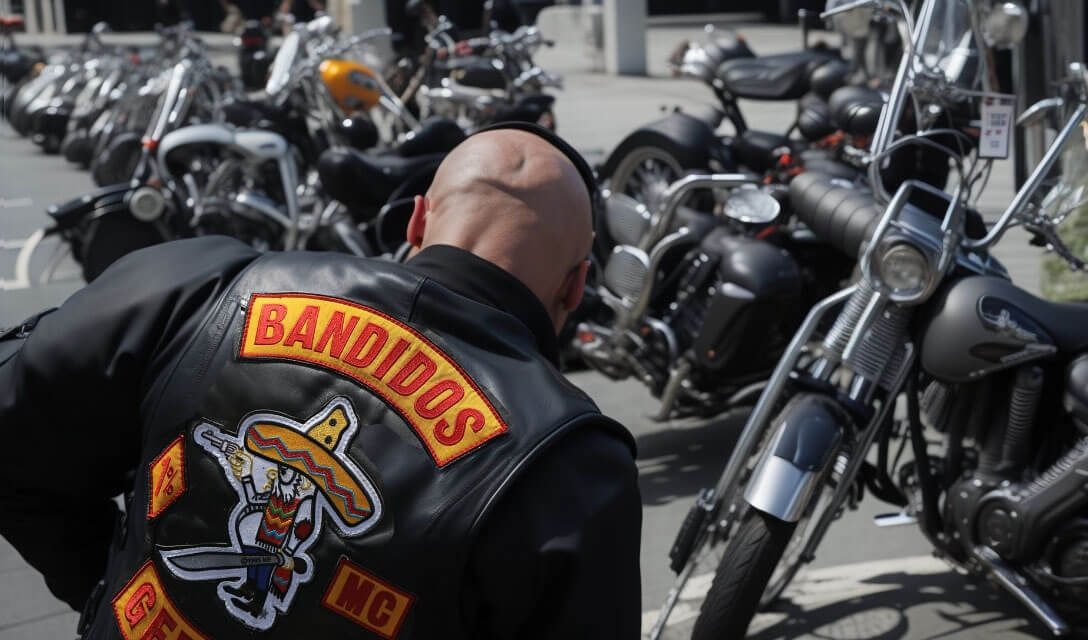
As members of the biker community, it’s important to be aware of the motorcycle patches to avoid at all costs. Some patches, in particular, are associated with outlaw motorcycle clubs that have been banned or faced legal action in the United States. Here are some examples of outlaw motorcycle clubs that riders should be cautious of:
- Hells Angels Motorcycle Club: The Hells Angels is perhaps the most well-known outlaw motorcycle club in the world, and for good reason. The club has been associated with drug trafficking, extortion, and even murder. Its members wear a distinctive “Death Head” patch on the back of their jackets or vests, which is something to watch out for.
- Bandidos Motorcycle Club: The Bandidos Motorcycle Club is another infamous outlaw club that has faced numerous legal battles over the years. They have been linked to various criminal activities such as drug trafficking, extortion, and murder. The club’s emblem is a cartoonish, fat Mexican bandit, which is prominently displayed on their patches.
- Outlaws Motorcycle Club: The Outlaws Motorcycle Club is known for its rivalry with the Hells Angels and has been involved in numerous violent incidents. They are known for wearing a skull with crossed pistons patch on their jackets or vests, which is an easily identifiable symbol.
- Mongols Motorcycle Club: The Mongols Motorcycle Club is a relatively newer club that has quickly become one of the most notorious. They have been linked to drug trafficking, extortion, and other criminal activities. The club’s emblem is a cartoonish, angry-looking Mongol warrior, which is prominently displayed on their patches.
- Pagans Motorcycle Club: The Pagans Motorcycle Club has a long history of violence and criminal activity. They have been involved in drug trafficking, extortion, and murder. The club’s emblem is a patch with a winged helmet and the letters “PMC” displayed underneath.
- Vagos Motorcycle Club: The Vagos Motorcycle Club is a relatively smaller club, but that doesn’t mean they aren’t dangerous. They have been linked to drug trafficking, extortion, and other criminal activities. The club’s emblem is a patch with a laughing Mexican bandit, which is prominently displayed on their patches.
- Sons of Silence Motorcycle Club: The Sons of Silence Motorcycle Club is another smaller club, but that doesn’t make them any less dangerous. They have been linked to drug trafficking, extortion, and murder. The club’s emblem is a skull with the letters “SS” displayed underneath.
- Warlocks Motorcycle Club: The Warlocks Motorcycle Club is a smaller club that has been linked to drug trafficking and other criminal activities. They wear a patch with a devil riding a motorcycle, which is an easily identifiable symbol.
- Gypsy Joker Motorcycle Club: The Gypsy Joker Motorcycle Club is a smaller club that has been linked to drug trafficking, extortion, and other criminal activities. They wear a patch with a jester’s face, which is an easily identifiable symbol.
- Sons of Satan Motorcycle Club: The Sons of Satan Motorcycle Club is a smaller club that has been linked to drug trafficking, extortion, and other criminal activities. They wear a patch with a devil holding a trident, which is an easily identifiable symbol.
If you see any of these patches, it’s best to steer clear. It’s important to remember that not all members of these clubs are involved in criminal activity, but wearing their patches can still be seen as a sign of support for their illegal activities.
To identify these types of patches, look for specific symbols or designs that are associated with these clubs. For example, the Hells Angels “Death Head” patch is easily identifiable, as is the Outlaws’ skull with crossed pistons patch. If you’re not sure, it’s always best to err on the side of caution and avoid wearing any patch that could be associated with these clubs
Risks of Wearing Controversial Motorcycle Patches
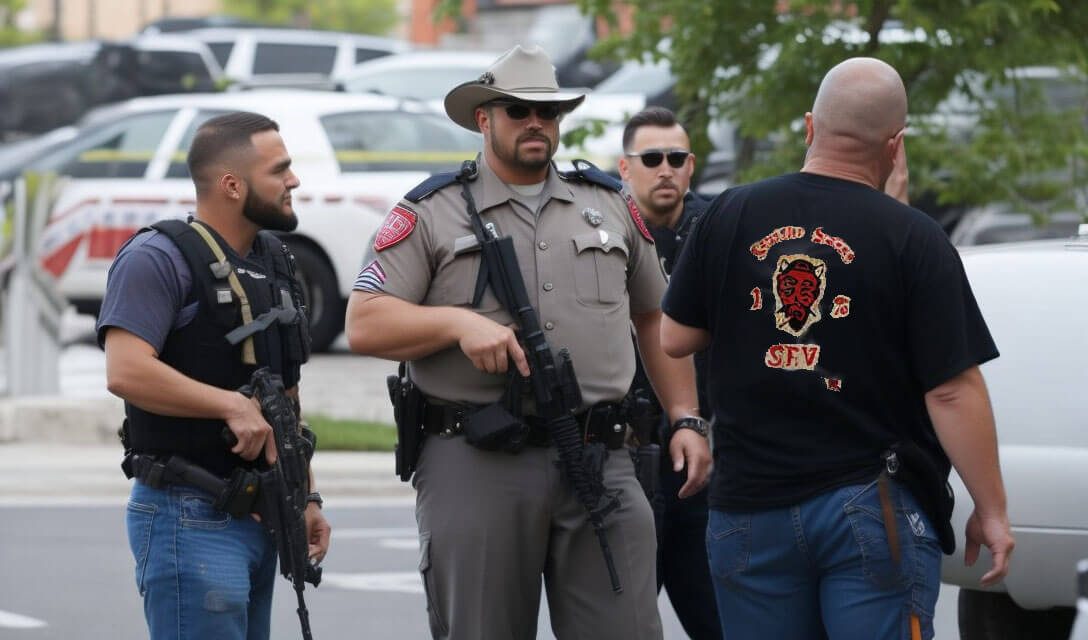
Yo, listen up! As a representative of the biker community, we wants to make sure you know the risks of wearing controversial motorcycle patches. These patches may look cool, but they can bring some serious heat. So, buckle up and pay attention.
First off, wearing banned biker patches or patches associated with outlaw motorcycle clubs could land you in hot water with the law. Many of these clubs have been involved in criminal activity, and law enforcement is on the lookout for any association with them. So, if you’re wearing a patch that is associated with a club that has been banned or faced legal action, you could be attracting unwanted attention from the police.
But the risks don’t stop there. Wearing offensive biker patches can also damage the reputation of the biker community as a whole. While most of the biker community is law-abiding, wearing patches that glorify violence or promote hate can give outsiders the wrong impression. This can lead to discrimination and prejudice against the entire community.
And if that’s not enough to convince you, wearing certain patches can even put you in physical danger. Rival clubs take their turf seriously, and wearing a patch associated with a rival club could get you into a dangerous situation. It’s important to remember that some motorcycle clubs take their club and their patch very seriously, and disrespecting either can have serious consequences.
To avoid these risks, it’s important to know how to spot outlaw biker patches and motorcycle club patches to avoid. For example, the Hells Angels, Bandidos, and Mongols are all outlaw motorcycle clubs that have been associated with criminal activity, and their patches should be avoided. If you see a patch with their logo, steer clear.
In short, while these patches may seem cool and edgy, the risks simply aren’t worth it. So, if you want to stay out of trouble, stick to wearing patches that are widely accepted by the biker community and avoid anything that could be seen as controversial. Stay safe out there, and keep the rubber side down!
Alternative Patch Options
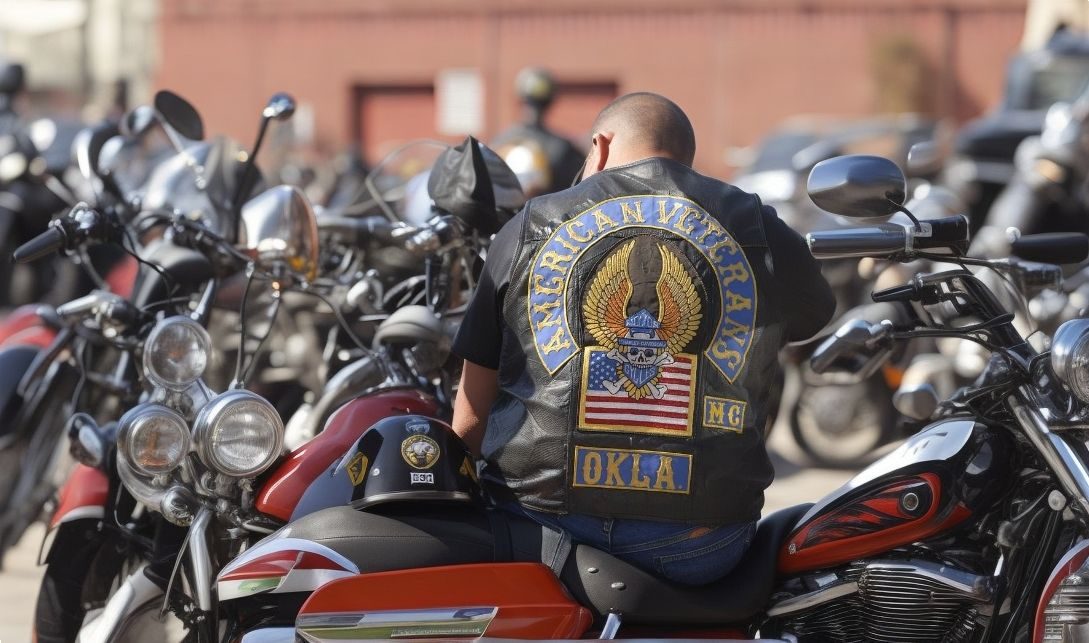
As a fellow rider and advocate for the biker community, let’s explore some alternative patch options that are tasteful, respectful, and still allow bikers to showcase their affiliations and interests. These patches provide a positive and inclusive way to express oneself without resorting to controversial or offensive imagery. Here are some suggestions:
- Patriot Rider – Show your support for the military and first responders, honoring their service and sacrifice.
- Iron Horse – Display your love for motorcycles and the thrilling biker lifestyle that brings us all together.
- Road Captain – Proudly wear this patch to signify your leadership role within a riding group or club.
- Riding for a Cause – Demonstrate your dedication to making a difference by supporting a specific charity or cause close to your heart.
- American Flag – Showcase your patriotism and pride for the United States, symbolizing your love for country and freedom.
- Lady Rider – Celebrate female riders and their unique spirit, highlighting the strength and beauty of women in the biker community.
- Veteran – Pay tribute to military veterans and their invaluable service, showing gratitude for their commitment and sacrifice.
- Ride Free – Embrace the liberating essence of riding, symbolizing your passion for freedom and the open road.
- Biker Babe – Express your individual style and personality as a female biker, celebrating the diverse presence of women in the riding community.
- Motorcycle Mechanic – Highlight your skills and expertise as a motorcycle mechanic or technician, showcasing your dedication to the craft.
- Lone Wolf – Embrace the freedom and independence of riding solo, embodying the adventurous spirit of the lone biker.
- Iron Brotherhood – Join a brotherhood of like-minded riders who share a profound love for motorcycles and the biker lifestyle.
- HOG (Harley Owners Group) – Proudly display your membership in the renowned Harley-Davidson riding club, connecting with a passionate community of riders.
- Support Your Local Motorcycle Club – Show solidarity with your local biker community, fostering a sense of unity and camaraderie.
- Veteran Biker – Combine your love for motorcycles with your military service, symbolizing your pride as a veteran who embodies the biker spirit.
Remember, these alternative patches allow you to express yourself in a positive and respectful manner, showcasing your interests and affiliations without resorting to offensive or controversial imagery. By choosing these patches, you contribute to a welcoming and inclusive biker culture that values camaraderie, respect, and freedom on the open road.
How to Handle Existing Controversial Patches
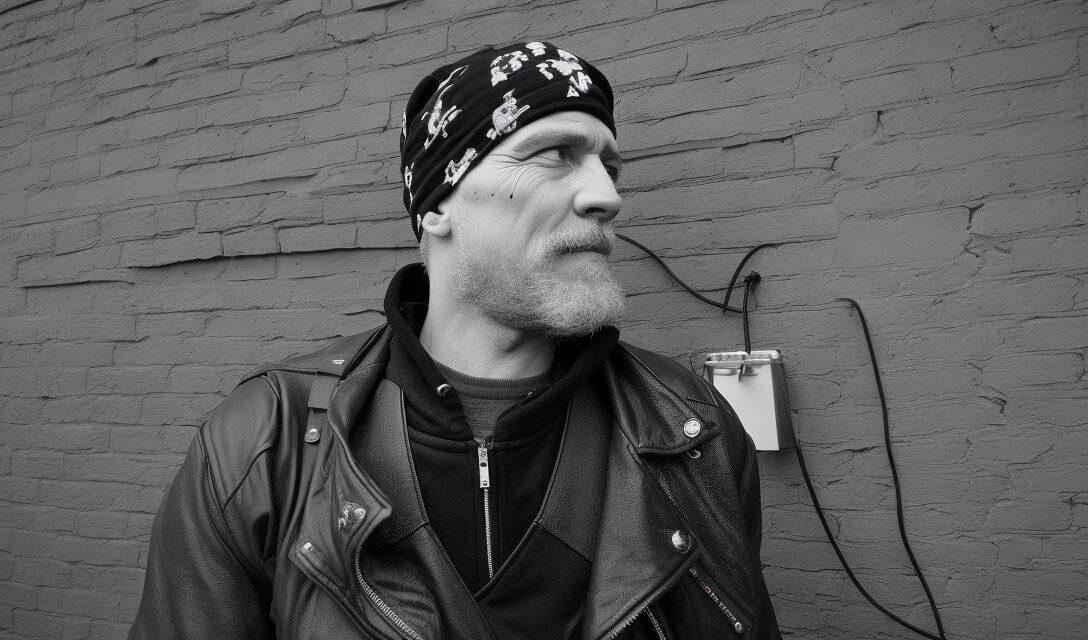
If you find yourself in possession of a motorcycle patch that is considered controversial, it’s important to address the situation responsibly. Here are some practical pieces of advice for handling existing problematic patches:
- Assess the Patch’s Impact: Take the time to evaluate the patch and understand its potential negative implications. Consider the message it sends and how it may be perceived by others within and outside the biker community.
- Cover it Up: If the patch is relatively small or discreet, one option is to cover it up. You can use another patch or fabric to minimize its visibility and divert attention away from the controversial design. This approach allows you to maintain your existing patch collection while avoiding unnecessary conflict.
- Modify the Patch: For patches that contain offensive or inappropriate elements, you may consider modifying them. Alter the design or remove specific elements that contribute to their controversial nature. However, be cautious about modifying copyrighted patches, as it may raise legal issues.
- Seek Guidance from a Local Club or Mentor: Reach out to respected members of your local biker community or a trusted mentor for advice. Their experience and knowledge can offer valuable insights on how to handle the situation effectively. They may have encountered similar issues in the past and can provide guidance tailored to your specific circumstances.
- Remove the Patch: In more extreme cases where the patch is highly controversial or potentially illegal, you may need to remove it entirely. Removing the patch demonstrates your commitment to distancing yourself from its associated message or reputation. Be mindful that removing a patch is a personal decision that should align with your values and the principles of the biker community.
- Show Respect and Responsibility: Regardless of the action you choose, approach the situation with respect and responsibility. Recognize that wearing a controversial patch can have repercussions not just for yourself but also for the broader biker community. Act in a manner that reflects positively on bikers as a whole and promotes unity and understanding.
- Educate Yourself: Take this opportunity to educate yourself about the significance and meaning behind various patches. Before acquiring new ones, research their history, symbolism, and potential implications. Understanding the context of patches will help you make informed choices that align with your values and respect the values of the biker community.
Tips for Having Difficult Conversations about Problematic Patches
Engaging in difficult conversations with fellow bikers about their problematic patches requires finesse and effective communication. Here are some tips to navigate these conversations successfully:
- Choose the Right Time and Place: Find an appropriate setting for a private and uninterrupted conversation. Avoid confrontational situations or large gatherings where emotions may run high. Opting for a calm and controlled environment encourages open dialogue.
- Remain Calm and Respectful: Approach the conversation with a composed demeanor and respectful tone. Avoid attacking or criticizing the individual wearing the patch directly, as it may evoke defensiveness. Focus on the issue at hand rather than personal attacks.
- Address the Message, Not the Individual: Shift the conversation towards discussing the implications and impact of the problematic patch, rather than making it about the person wearing it. Help them understand the potential offensiveness or harm that certain symbols or messages can cause.
- Share Personal Perspectives: Express your own feelings and experiences related to the patch in question. Help the person understand why it may be problematic and how it can contribute to negative stereotypes or perceptions of the biker community. Sharing personal anecdotes can foster empathy and understanding.
- Provide Education and Information: Offer factual information and historical context about the patch’s symbolism and the concerns associated with it. Share credible resources or references that can help them gain a better understanding of the broader implications. Encourage them to explore alternative perspectives.
- Encourage Empathy and Open-Mindedness: Urge the person to put themselves in the shoes of others who may be affected by the patch. Encourage them to consider how their choice of patches can impact relationships, the community, and the public’s perception of bikers as a whole. Promote empathy and open-mindedness as key values within the biker community.
- Use Active Listening: Practice active listening during the conversation. Give the person your undivided attention, attentively hear their perspective, and acknowledge their thoughts and feelings. Engage in a constructive dialogue rather than engaging in a debate or argument.
- Offer Alternative Perspectives: Suggest alternative patches or symbols that can represent their affiliations or interests in a more inclusive and respectful manner. Provide examples of patches that promote unity, brotherhood/sisterhood, or positive values within the biker community. Encourage them to explore options that align with their values while avoiding controversy.
- Patience and Understanding: Changing deeply held beliefs or behaviors takes time. Be patient and understanding, allowing for a gradual shift in perspective rather than expecting immediate change. Recognize that people may need time to reflect on the conversation and reconsider their choices.
- Maintain Relationships: Remember that the goal of these conversations is not to alienate or condemn the person but to promote understanding and positive change. Strive to maintain a healthy relationship even if you disagree, as unity and respect within the biker community are essential. Focus on finding common ground and shared values.
Approaching difficult conversations about problematic patches requires sensitivity, respect, and a willingness to listen and learn from one another. By fostering open dialogue, mutual respect, and a shared commitment to the values of the biker community, positive change can be achieved while maintaining the camaraderie that defines the biker brotherhood/sisterhood.
Conclusion
Representing the spirit of the open road, it is crucial to stress the significance of avoiding controversial motorcycle patches at all costs. The choices we make in displaying our affiliations and interests through patches can have far-reaching consequences. By wearing tasteful and respectful patches, we not only protect our own reputation but also contribute to fostering a positive image of the biker community as a whole. Let’s recap the importance of avoiding these patches and provide some practical advice on how to identify and steer clear of them.
Motorcycle patches to avoid come in various forms, including biker patches that perpetuate offensive stereotypes, patches associated with outlaw motorcycle clubs, or those displaying explicit or discriminatory symbols. These patches can attract unwanted attention from law enforcement, damage the reputation of the biker community, and even expose us to physical harm from rival clubs. It is essential to remain mindful of the potential risks associated with wearing such patches.
To avoid these controversial patches, bikers should be vigilant in recognizing their characteristics. Outlaw motorcycle club patches, for instance, often feature distinct designs, colors, and symbols that are associated with specific clubs known for their involvement in criminal activities. By educating ourselves about these clubs and their associated patches, we can better identify and steer clear of them. Furthermore, offensive biker patches should be avoided, as they contribute to negative stereotypes and can undermine the values of unity and respect within the biker community.
In conclusion, it is crucial for bikers to proactively choose tasteful, respectful patches that align with our values and promote a positive image of the biker community. By avoiding controversial patches, we safeguard our own reputation and contribute to the collective effort of presenting a united front. Let’s encourage fellow bikers to be mindful of the patches they wear, and together, let’s ride with pride, camaraderie, and the shared commitment to the values that define us as a community.
Remember, the road ahead is ours to shape. Let’s make it one that reflects the best of what the biker community represents—strength, freedom, and a boundless spirit.