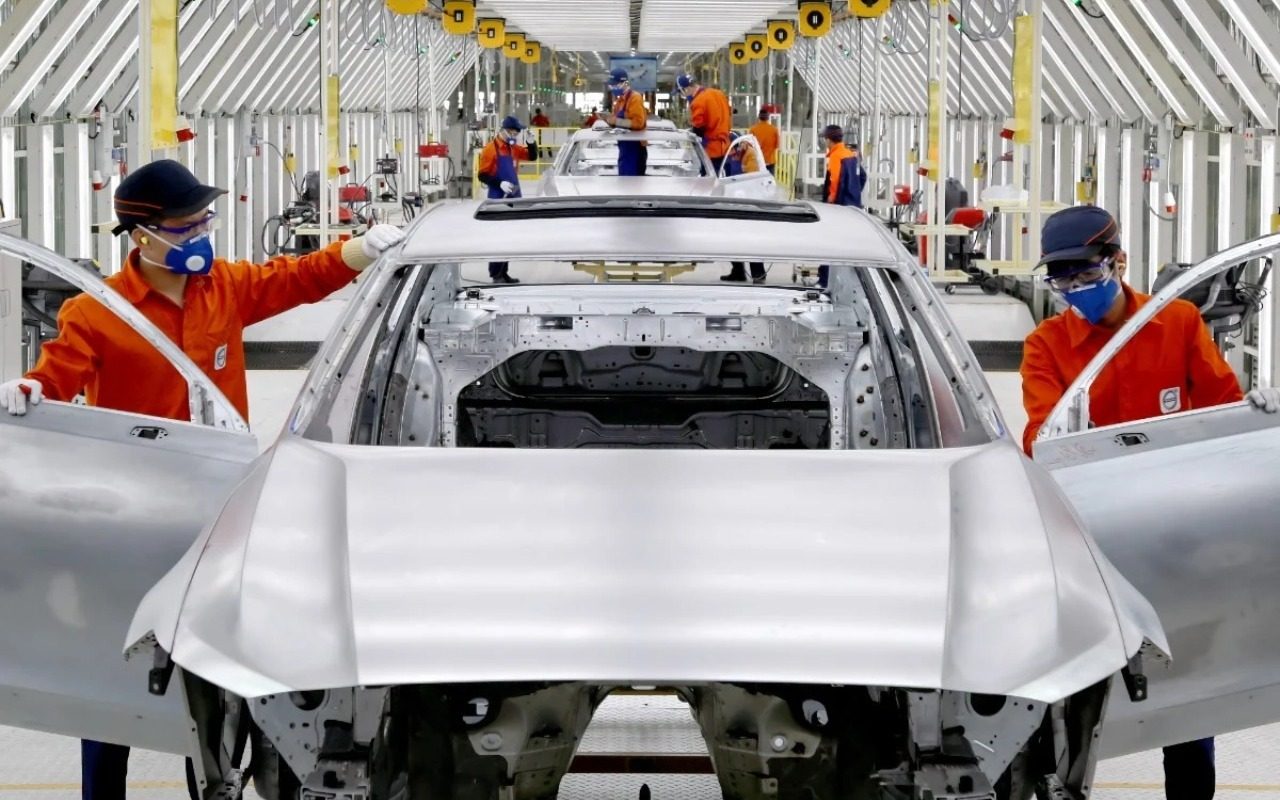

A motorcycle engine case, a transmission housing, a brake caliper bracket: these are components that riders and drivers rely on without knowing anything about how they were made. The way they were manufactured affects their weight, dimensional accuracy, and fatigue resistance. A part that looks fine may perform adequately for 50,000 miles, or fail under load at the worst moment. The difference often starts in the casting process.
Most structural metal parts in vehicles began as liquid metal. The process of shaping that metal, cooling it, and finishing it to tolerances engineers specified months before production started is casting. Understanding what that means, and why the specific method chosen for each part matters, gives you a much better frame for evaluating aftermarket components, replacement parts, and whether the country of origin matters as much as some forums suggest.
What Metal Casting Actually Involves
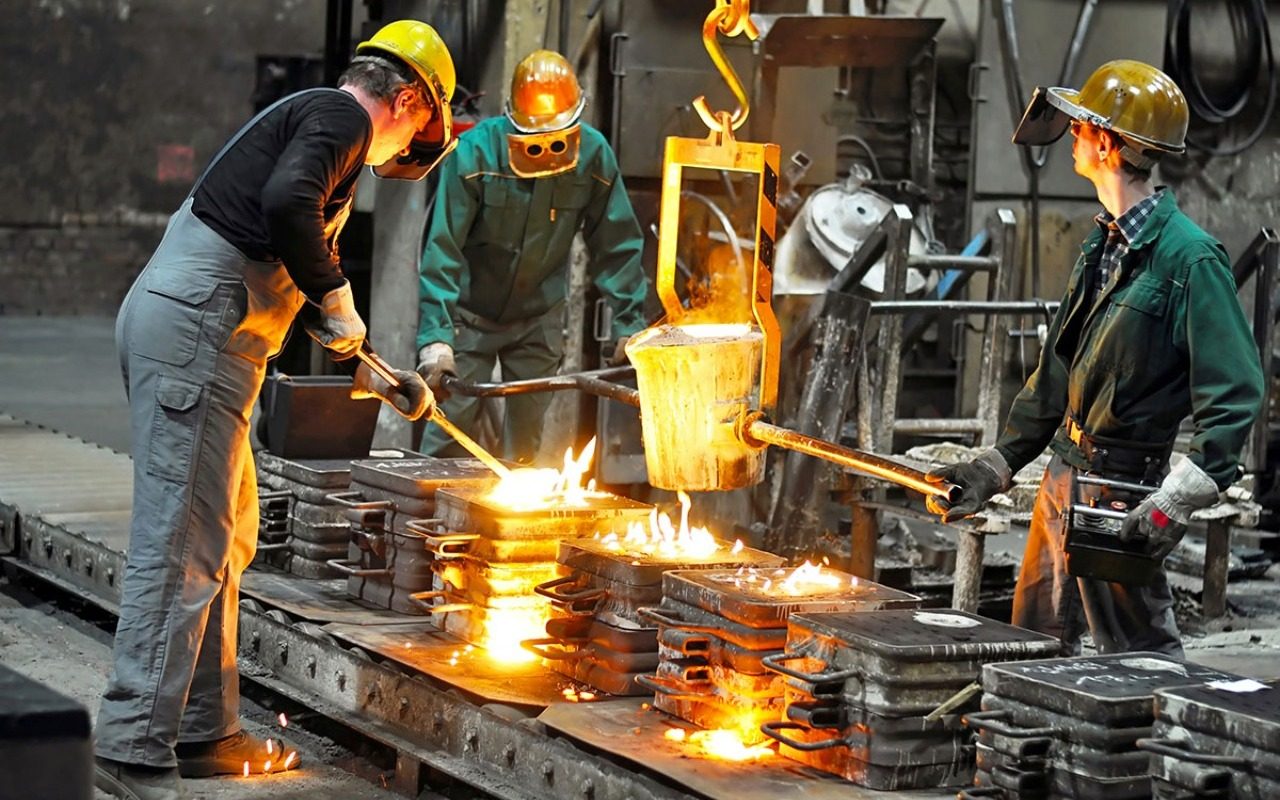
Casting is not one process but a family of them. Sand casting, investment casting, permanent mold casting, and high-pressure die casting each produce different surface finishes, dimensional tolerances, and part geometries. For high-volume vehicle components, die casting under high pressure is the dominant method. It produces near-net-shape parts with tight tolerances and excellent surface quality that require minimal secondary machining.
Working with a metal casting service that understands vehicle applications means understanding die design, not just part design. The die (a hardened steel mold into which molten metal is forced under pressure) represents a substantial upfront investment and must be engineered for consistent fill patterns, solidification behavior, and ejection characteristics. For components produced hundreds of thousands of times, that investment pays off. For lower-volume applications, permanent mold or investment casting may be more appropriate.
The casting parameters themselves also matter: metal temperature, injection pressure, die temperature, and cycle time all influence the internal microstructure of the finished part. Two parts that look identical externally can have significantly different mechanical properties depending on how consistently those parameters were controlled.
How Casting Tolerances Affect Vehicle Performance
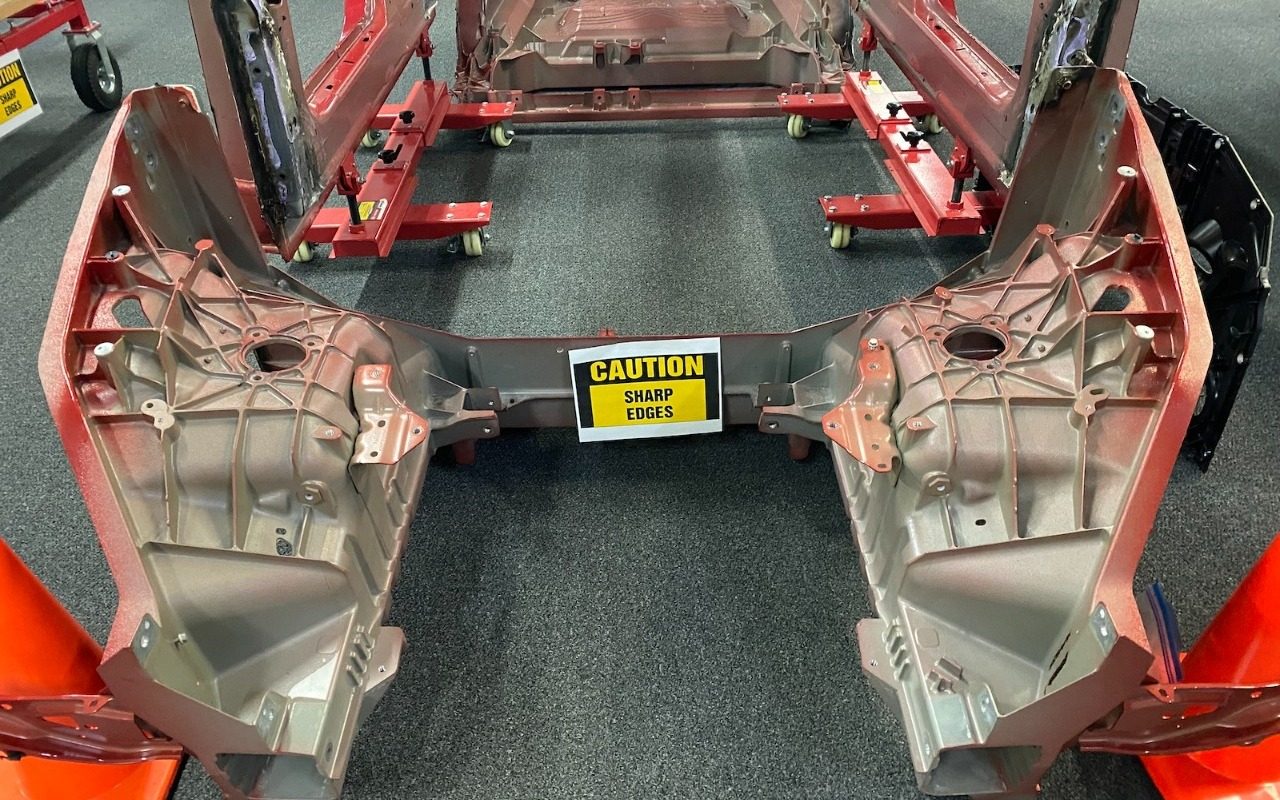
Tolerances in vehicle components are not abstract engineering standards. They determine whether a crankcase seals properly through thermal cycles, whether a suspension knuckle holds its geometry under lateral load, and whether a brake caliper bracket maintains consistent alignment as pads wear over time.
Die casting consistently achieves tighter tolerances than sand casting or permanent mold casting, which is why it’s the preferred process for parts with multiple mating surfaces or internal passages. Cylinder blocks, transmission cases, differential housings, and intake manifolds all require tolerances that only die casting or precision machining can maintain in high-volume production.
According to the National Institute of Standards and Technology, dimensional consistency is a core challenge in scaling precision part production. Even small deviations that accumulate across mating surfaces can produce fit-and-function failures that don’t appear in individual part inspection. This is why casting process control matters as much as the final dimensional check.
The Materials Used in Vehicle Castings
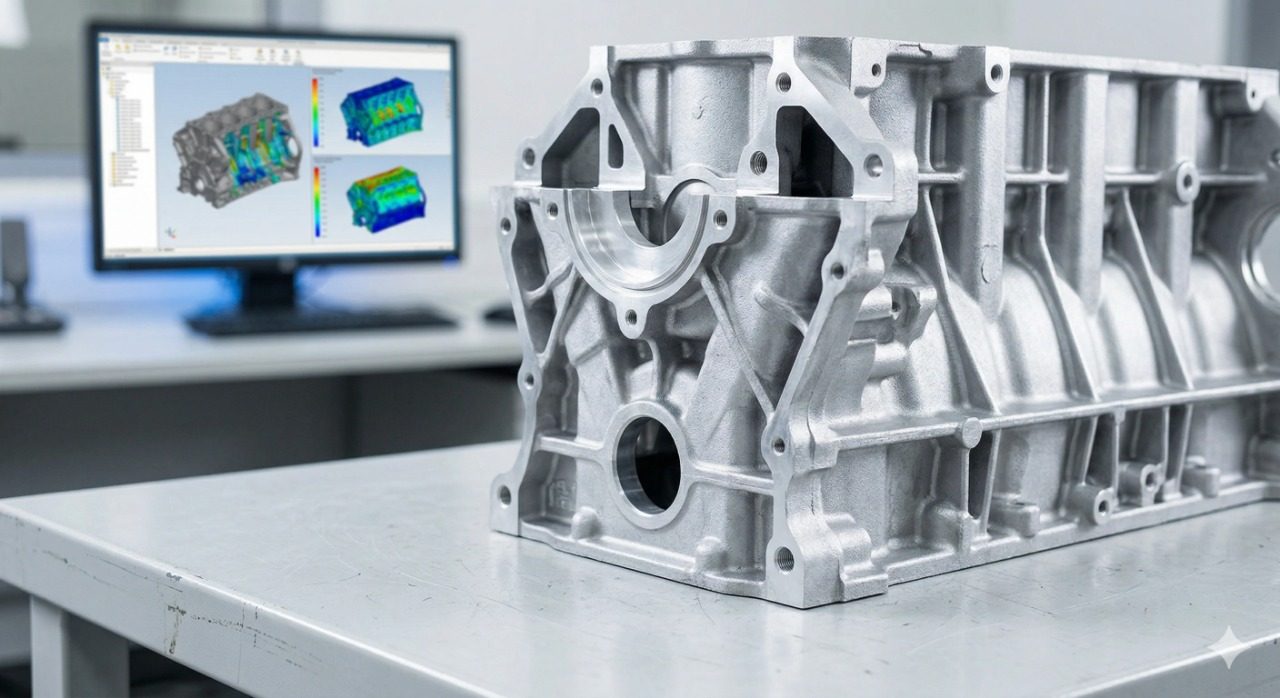
Vehicle manufacturers have been systematically replacing steel castings with aluminum alloy parts for decades. Aluminum offers roughly one-third the density of steel with sufficient strength for most structural applications when the alloy and heat treatment are correctly specified. The weight reduction matters for fuel economy, handling balance, and unsprung weight, which has a direct effect on suspension responsiveness.
Zinc alloys are common in smaller, more intricate components where the lower melting point simplifies die production. Zinc die castings appear in carburetor bodies, fuel system components, and small structural brackets where tight tolerances and corrosion resistance both matter.
Magnesium alloys go further in mass reduction, running roughly 30% lighter than aluminum. The US Department of Energy’s Vehicle Technologies Office has tracked magnesium adoption in automotive production as part of its lightweight materials initiative, noting meaningful weight reduction benefits when engineering constraints are properly managed. Transmission cases and structural panels are the primary applications to date.
Quality Inspection in Casting Operations
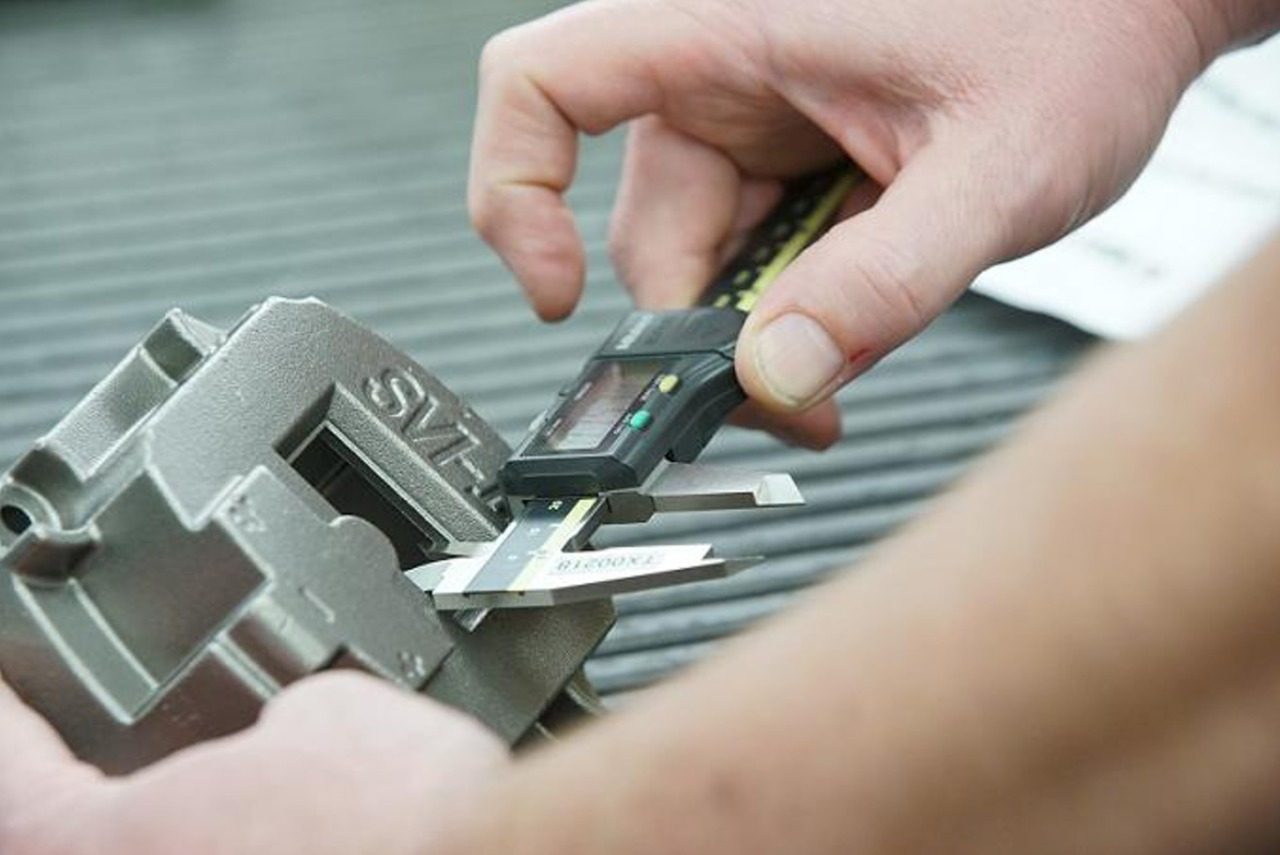
A casting that looks dimensionally correct may contain internal porosity: small gas pockets or shrinkage voids that form during solidification. Porosity weakens the part structurally without any external indication. For vehicle components under cyclic loading (engine mounts, suspension brackets, anything subject to vibration), internal porosity is a fatigue crack initiation site.
Modern casting operations use X-ray and CT scanning to inspect internal integrity non-destructively. High-production facilities also use pressure testing for components that form part of a fluid system. These inspection methods add cost but are standard practice for safety-critical parts, including engine blocks, cylinder heads, and suspension components.
The tension between inspection cost and throughput is real. Higher-volume programs can amortize inspection costs across more parts. Lower-volume or aftermarket programs may rely on process capability data and statistical sampling rather than 100% part inspection, which is worth knowing when sourcing replacements.
What Riders Should Know When Sourcing Replacement Parts
Vehicle parts have manufacturing histories that matter. A component from a casting operation with documented process controls, certified material traceability, and a consistent record of meeting OEM tolerances is different from one that looks similar but carries none of that documentation.
Aftermarket and replacement parts for motorcycles span a wide quality range. Some are produced to tolerances that match or exceed OEM specifications. Others are manufactured to looser standards that are acceptable until the part is under stress. The price gap between these two categories is usually smaller than the performance and longevity gap suggests it should be.
For most riders, the practical implication is straightforward: source critical structural and safety components from manufacturers or suppliers who can provide traceability and documentation. An engine case or caliper bracket that saves money at purchase doesn’t hold that advantage if it needs replacement twice in one season.