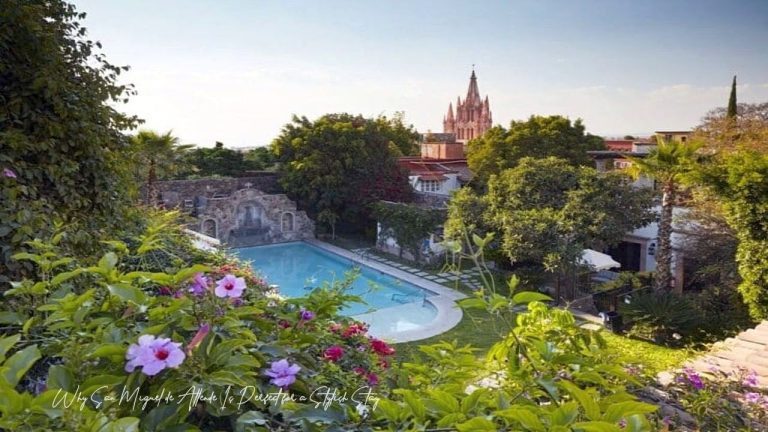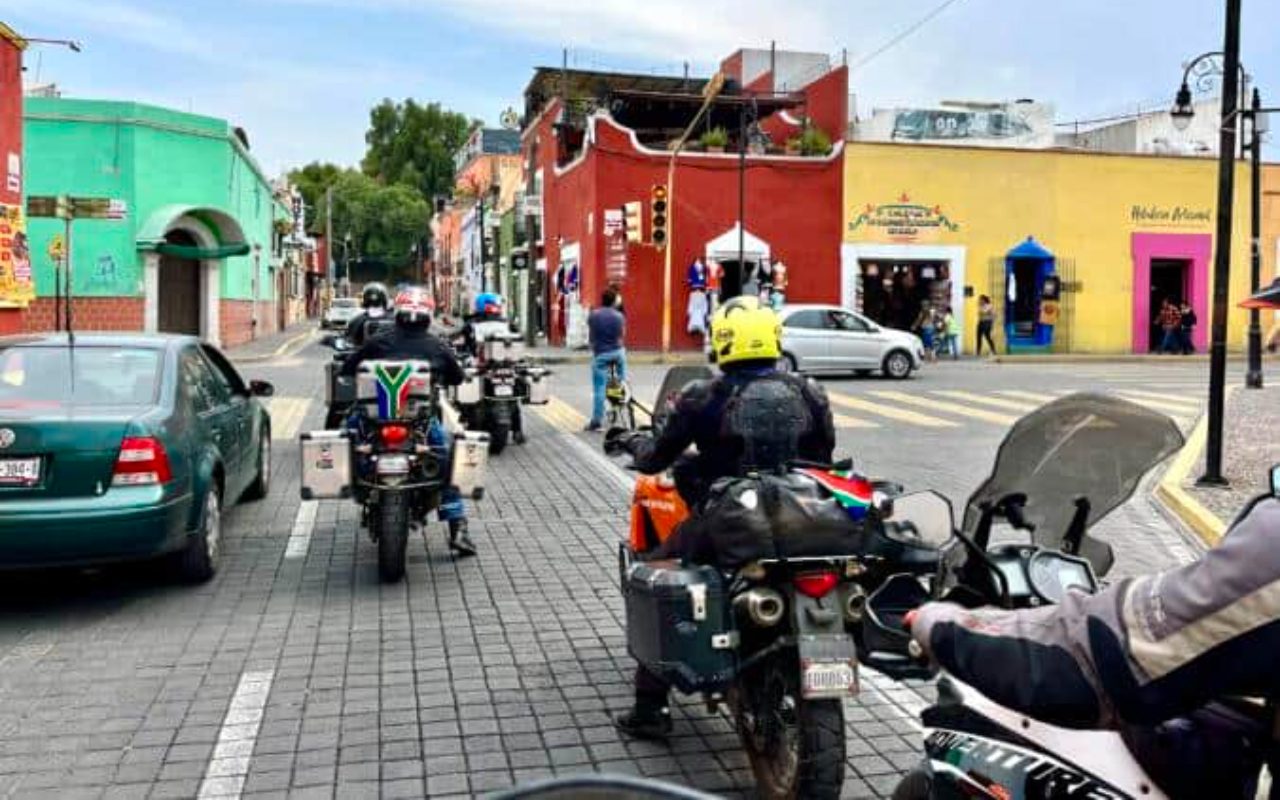

The first visit is usually a weekend detour from a longer route. Riders coming through central Mexico stop because the colonial architecture looks different from what they expected, or because someone in a gas station parking lot mentioned the cobblestone streets. What few expect is what happens on the second visit, and the third. By that point, some of them have already looked up DreamProHomesLuxury on their phones and spent an hour browsing listings between dinner and an early departure.
There is a pattern in how motorcycle travelers engage with this city. It starts with a place to sleep for a night, then a place to park the bike for a week, then a longer conversation about whether any of this could become permanent. For riders who find themselves asking that question seriously, San Miguel de Allende real estate offers a range of options they are often surprised to find are within reach.
The Routes That Lead Here
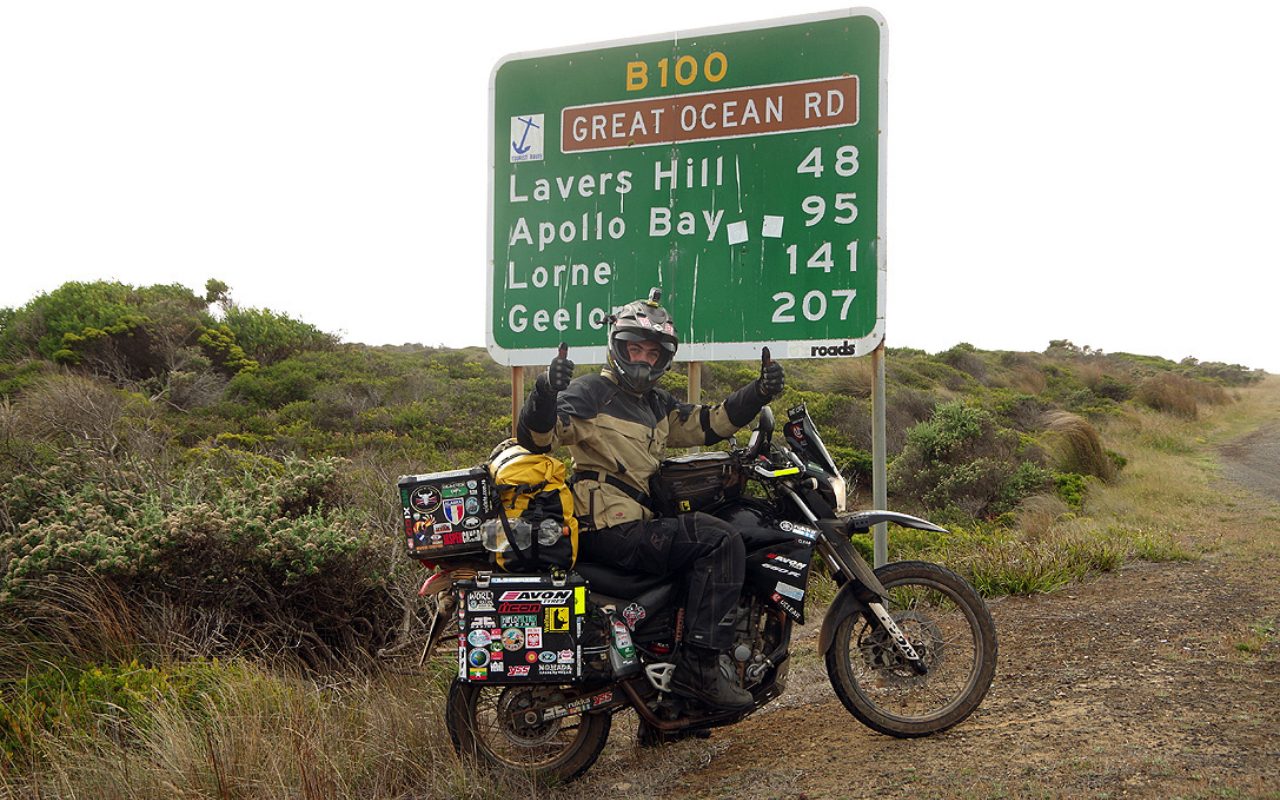
San Miguel de Allende sits in the geographic center of Mexico, which makes it a natural convergence point for riders coming from multiple directions. From the north, Highway 57 runs straight from Queretaro. From the south, the route through Celaya is well-paved and serviced enough for an easy half-day ride from Mexico City. Riders coming from the western coast often pass through Guadalajara and take the mountain roads through Guanajuato state, which are winding, scenic, and rarely mentioned in motorcycle guides.
The city sits at about 1,900 meters above sea level. The air runs cool in the mornings even during the hottest months, which makes riding in from outlying areas something people look forward to rather than avoid. Parking in the Centro can be tight during festival weekends, but the outer neighborhoods have space and most guesthouses have secure areas for motorcycles. The ride in from the highway, down past the aqueduct district and through the old train station area, is short enough that it gets taken more than once.
What the City Does to Routine Visitors
The city has a way of stretching a planned three-day stay into something longer, and the reasons vary enough that they don’t all apply to the same person. Some riders stay for the food. The quality and variety available within walking distance of almost anywhere in the Centro is significantly higher than what travelers encounter across most of the country. Others stay for the cultural schedule: the city hosts more festivals, markets, and public events per month than most Mexican cities ten times its size.
For motorcycle travelers specifically, there is an additional pull. The riding community in and around San Miguel de Allende is active and welcoming. Organized rides go out most weekends, the roads into the surrounding highlands offer high-visibility, low-traffic riding that attracts serious riders from across North America, and local knowledge about routes is freely shared in the bars and coffee shops where riders congregate. A traveler passing through can find themselves embedded in a local riding group by the second morning.
The Practical Case for Buying Property Here
The property market has attracted steady international attention since the mid-2000s, and the trajectory since 2020 has been upward without the volatility that other Mexican markets have seen. According to the US Embassy in Mexico City, Americans can own property throughout the Mexican interior without the bank trust requirements that apply to coastal zones. San Miguel de Allende is fully inland, which simplifies the buying process considerably.
Entry points start around $200,000 USD for smaller condos. Colonial homes with courtyard space, guest parking, and a rooftop terrace run from $500,000 to well above $1 million in the Centro. Properties farther from the historic center offer more space at lower prices, and several newer neighborhoods have developed specifically for international buyers who want larger homes with garages, useful for riders who travel with gear that needs somewhere dry and secure.
Living Here Without Giving Up the Road
One of the concerns riders raise about putting down roots is that it changes the nature of traveling. This holds up less in San Miguel de Allende than it might elsewhere. The city functions as a base as much as a destination. Riders who live here are still riding. They leave for weeks at a time, head south toward Oaxaca or northwest toward Mazatlan, and return to a house that is genuinely their own.
The infrastructure that supports this lifestyle is better than the map suggests. There are mechanics in town who work on imported bikes. Grocery and hardware infrastructure is solid enough that regular supply runs to larger cities aren’t necessary. Internet is reliable across most of the established neighborhoods. The city has been accommodating international residents for long enough that the services have developed around their habits, and a culture that treats long-term visitors as residents rather than tourists helps considerably.
What the Transition Actually Involves
Buying property in Mexico as a foreigner is straightforward in the interior. It requires a licensed notario público, a Mexican tax ID, and the acquisition tax on the transaction, which runs around 2% of the purchase price. Mexico’s Ministry of Foreign Affairs handles the residency process separately, and the two timelines don’t need to coincide. Some buyers close on a property while on a tourist visa and convert to permanent residency over the following year.
The costs of living after the purchase are significantly lower than in comparable North American cities. Property taxes are low. Utilities are inexpensive relative to US and Canadian baselines. Day-to-day food, services, and cultural activities cost less still. For a rider who has spent years estimating trip costs in fuel, food, and accommodation per day, the math of full-time residency here tends to resolve quickly once the numbers are actually on paper.